
Megan Shulman | Director, Site Strategy at Veeva Systems
Last month in The Site Zone at the Veeva R&D Summit, we brought together a room full of clinical research professionals. Research sites, sponsors, and CROs joined for an interactive workshop designed to break down conventional industry walls.
Instead of grouping stakeholders into their typical operational silos, we mixed attendees into collaborative problem solving teams. Each cross functional team tackled a core operational bottleneck, developed a solution, and pitched it in a lightning round where attendees voted on the best ideas.
The overarching takeaway was unmistakable: sites, sponsors, and CROs want deeper, strategic collaboration outside the confines of study specific, transactional engagements. Both sites and sponsors are eager to collaborate, and we have a great opportunity to build on that traction by welcoming more partners on board.
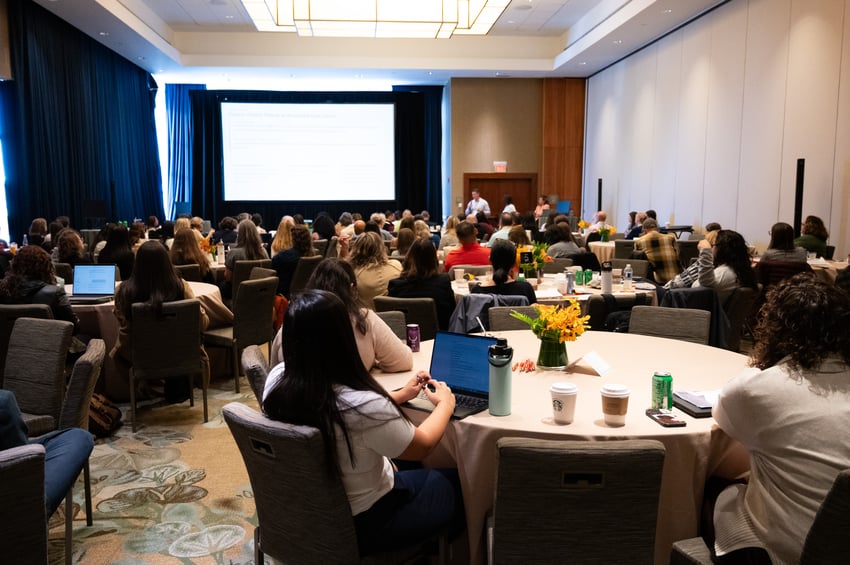 The "Together For Tomorrow's Trials" workshop gave sites, sponsors and CROs the chance to sit together to collaborate, network, and problem solve.
Here are our key takeaways:
1. True Site Sponsor Alliances: Moving Past the One-Off Transaction
Clinical research has long operated on a study-by-study model. The workshop made it abundantly clear that both sites and sponsors want to move toward sustained alliances.
- Mutual Desire for a Single Point of Contact: For years, sites have vocalized their frustration with navigating dozens of fragmented contacts across CROs and sponsors. Interestingly, sponsors expressed the exact same frustration; they want a dedicated operational counterpart at the site level to build long term institutional knowledge.
2. Faster, Frictionless Study Startup: Early, Collective Protocol Input
Startup delays often trace back to protocols written in vacuums. Sites want to provide input into protocol design, operational logistics, and schedule of assessments and, they want to do it together.
3. Patient Centric Trials as an Accessible Care Option
Making trials an accessible option requires treating clinical research as an extension of patient care.
- Patients in Protocol Design: Just as sites need an early voice in operational feasibility, patients must have input into protocol design. Aligning visit schedules, travel expectations, and invasive assessments with real-world patient realities prevents dropouts and improves recruitment.
- Autonomy in the Patient Journey: Patients should not just be passive participants and deserve the autonomy to engage with a trial on their own terms. That means helping with study design and follow-up after their participation is done, too.
4. Real-time Clinical Data Flow: Shared Transparency
Closing the gap between data collection and study oversight requires transparency among sites, CROs, and sponsors. Rather than treating monitoring and query management as reconciliation steps, teams highlighted the need for data workflows that prioritize real-time visibility.
Looking Ahead and Moving Forward
Nobody expected to solve everything in an afternoon.
What stood out most was just how much sites, sponsors, and CROs value a dedicated forum to talk candidly and share ideas without study deadlines hanging over the conversation. The energy and direct feedback in the room spoke for itself.
Veeva is committed to keeping that momentum going. Coming out of Summit, my team is focused on two clear actions:
- Deepening relationships with our site users so they can continue sharing direct feedback across all our products and help shape our roadmaps.
- Creating more opportunities to connect. We are planning a lot of upcoming events at conferences and regional meetings, but if you are hosting one and need help getting the right people to the table, let us know.
If you want to get involved, reach out directly here or email me at megan.shulman@veeva.com. Let’s keep the dialogue going.